

What is Maternal Wellbeing
Positive maternal well-being requires physical health (morbidity and mortality), health of mind (psychological and emotional) & spiritual health as well as the ability to act (agency)

Designing a Measure (Tool)
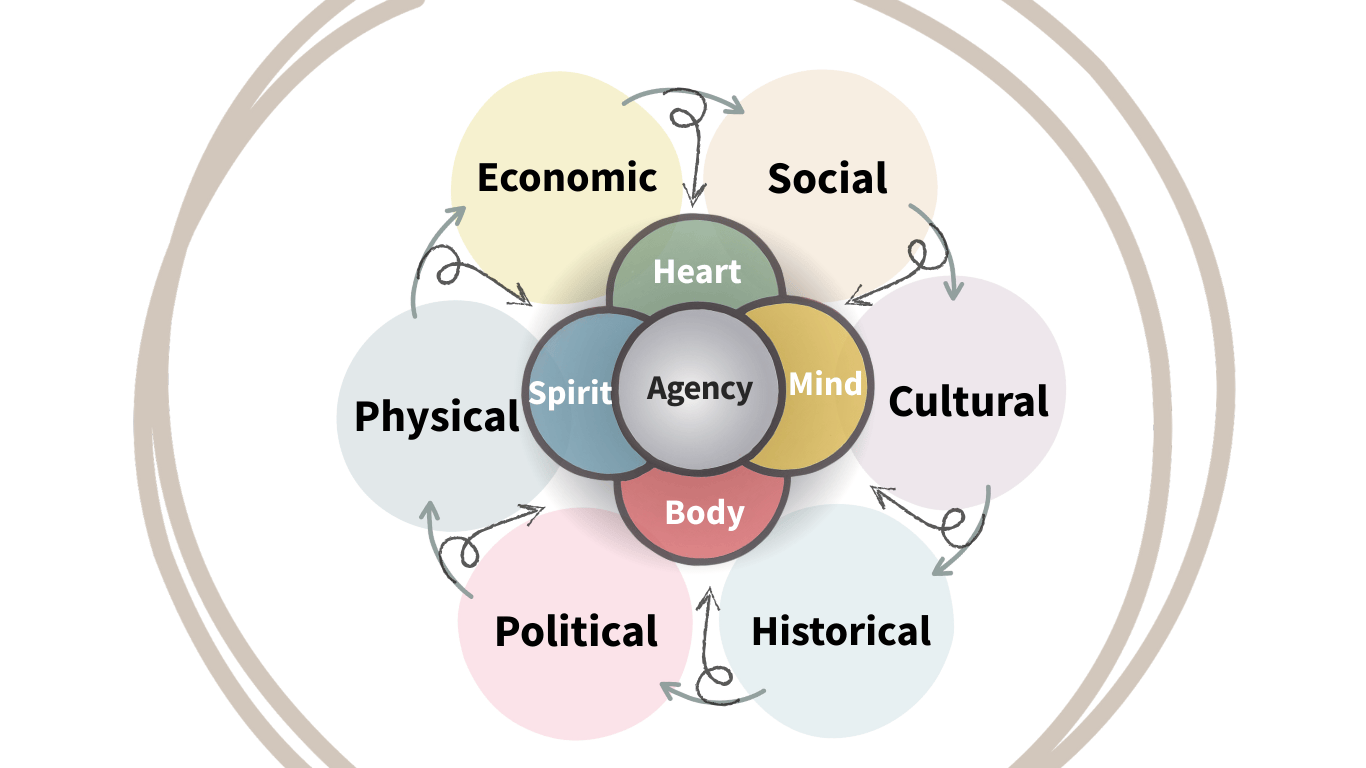
Maternal well-being (MW) is operationally defined as the ability of a pregnant woman to fulfill physical, emotional, social, and spiritual needs and experience positive pregnancies and outcomes
Determinants or SDGs?
It is essential to understand and intervene in determinants of health to improve MW, particularly in regions where limited access to care and lack of community resources produce inferior maternal health outcomes.
Populations affected by variables other than general determinants of well-being (e.g., pregnancy, Indigeneity) require a customised approach to measure, understand, and appropriately redress inequities towards substantive equality.
Despite improvements, maternal health indicators for Indigenous communities in CA, KE, TZ, and UG remain poor.
Objectives
Although the causes of marginalization are widely recognized, it is essential to understand them through women’s perspectives—examining their relative importance, context, and how they evolve over time. Decision-makers and practitioners need these insights presented in clear, actionable, and accessible formats to drive informed and equitable solutions.
Our Project aims to:
- Identify and assess relative importance of specific factors of positive and negative maternal well-being from local to national levels in Canada, Kenya, and Tanzania.
- Develop Maternal Wellbeing Measure.
- Pilot and validate the maternal well-being measure in Canada and Uganda.
Proposed Approach
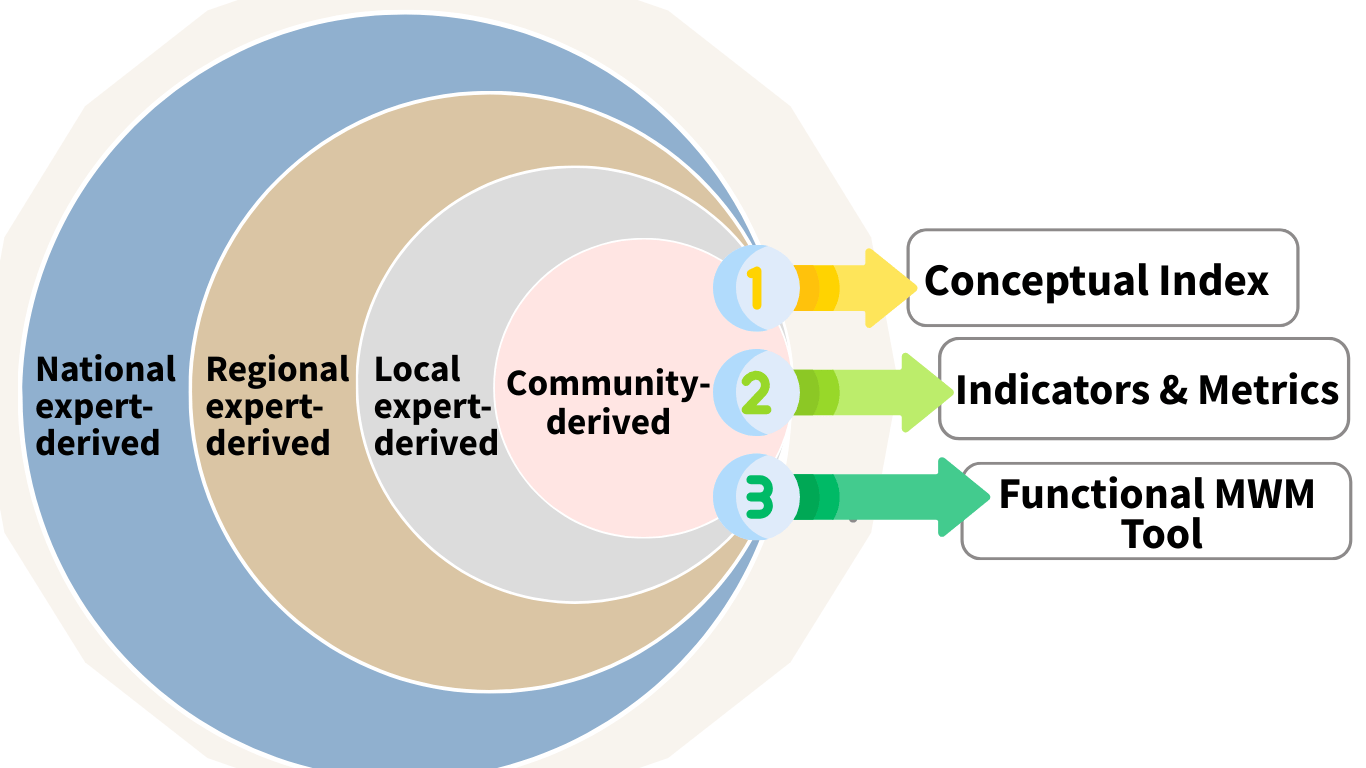
The Maternal Well-being Measure (MWM) will be a comprehensive index built on multiple domains that capture measurable indicators of well-being, integrating both social and environmental determinants of health. Its structure allows for domain-level analysis, providing a powerful tool to guide policies and services toward improving maternal well-being.
Developed from the ground up, the MWM will actively engage women and experts to ensure it reflects lived experiences and evidence-based insights.